



Keep reading to know...
- 01 What Cortisol Means: A Quick Introduction to the Stress Hormone
- 02 What Is a Cortisol Face?
- 03 What a Cortisol Imbalance Looks Like on the Skin
- 04 Why Stress (and Cortisol) Trigger These Skin Changes
- 05 Skincare Routine to Calm Stressed Skin: Step-by-Step Guide
- 06 Ingredients That Help Reduce Visible Stress Signs
- 07 Lifestyle Adjustments to Help Skin Recover from Stress
- 08 How This Connects to Facial Fat and Double Chin Concerns
- 09 When Your Skin Needs Professional Evaluation
- 10 Final Thoughts
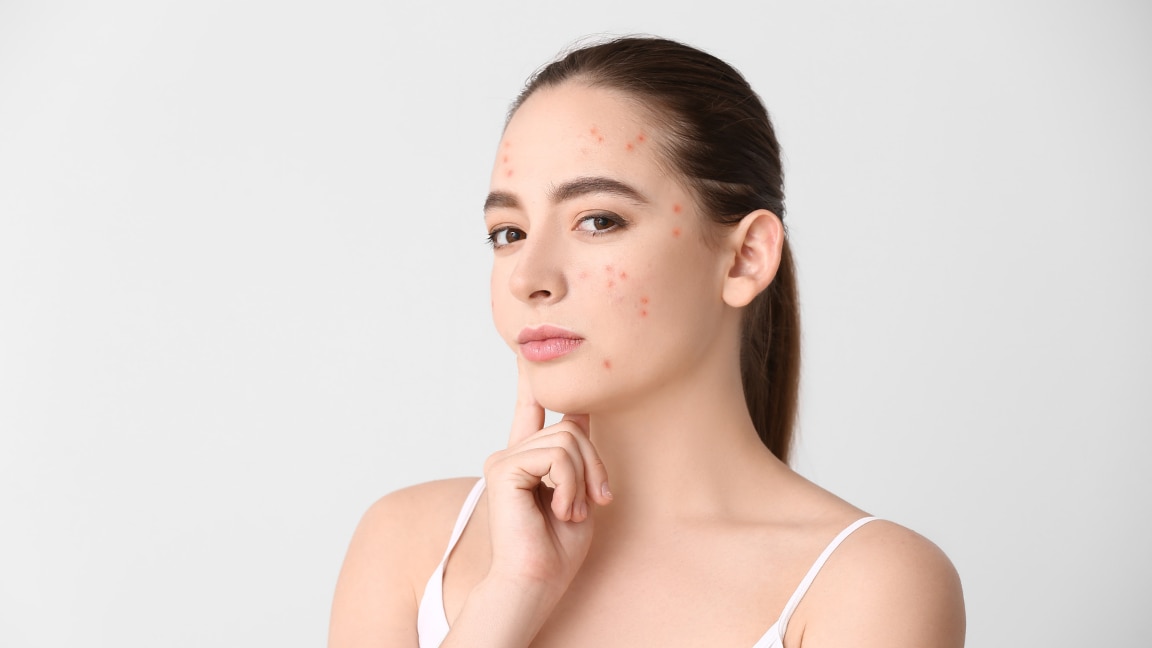
Stress may be an invisible force, but its impact on the body is often surprisingly visible—particularly on the face. Over the past year, the term "Cortisol Face" has risen in popularity as more people connect the dots between chronic stress, hormonal fluctuations, and changes in their skin. Understanding what cortisol means, how it functions, and why an imbalance can show up so noticeably on the skin is the first step in tackling its effects.
This guide breaks down what cortisol is, what a cortisol imbalance looks like on the face, and the practical steps you can take—skincare, lifestyle, and professional advice—to help restore a healthier, calmer complexion.